


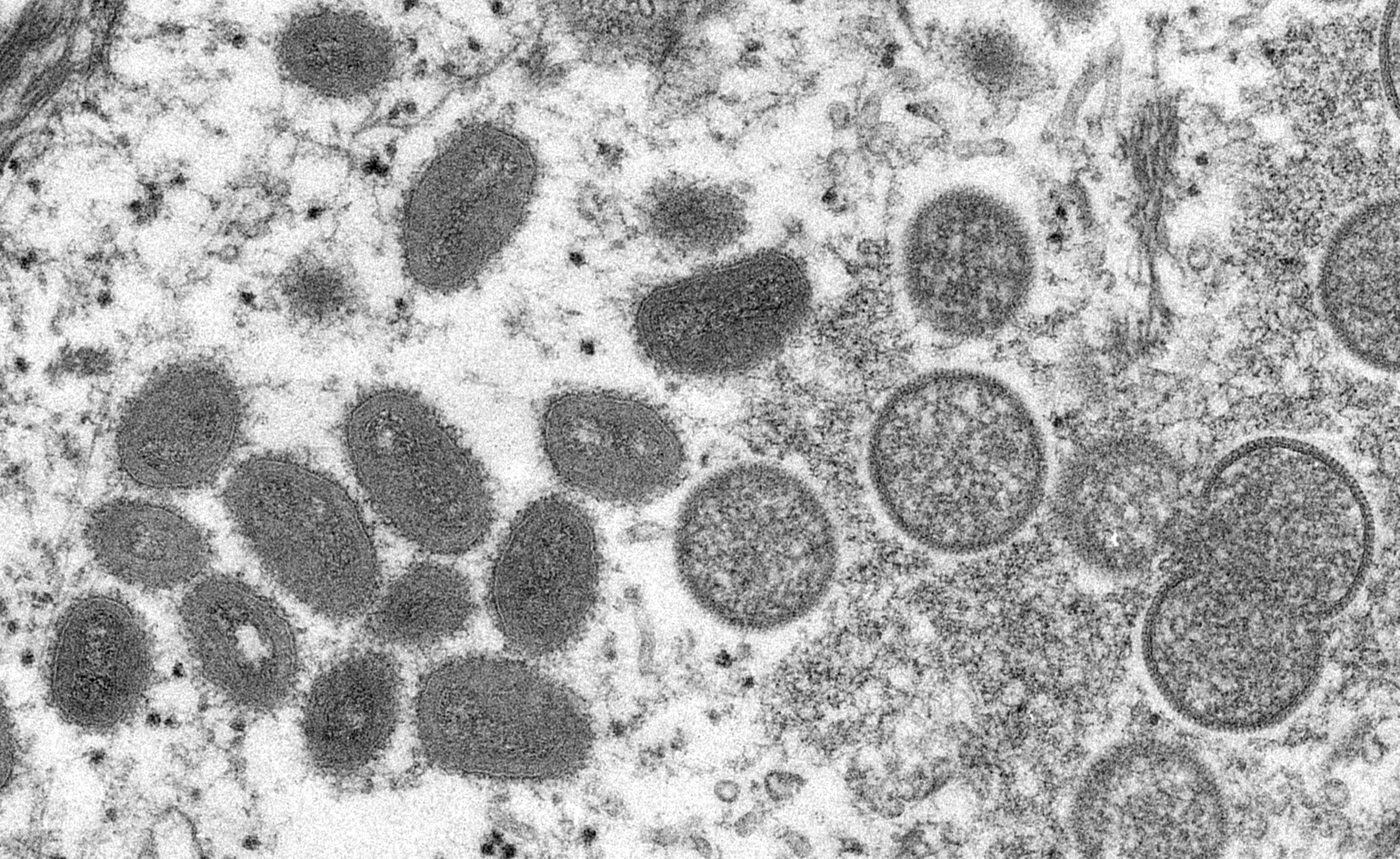
Monkeypox virus causes a flu-like illness and a blister or pimple-like rash. The infection is spread through close contact with an infected person’s rash, body fluids, or contaminated linens, clothing, or towels. Infection can also be spread through prolonged face-to-face exposure to respiratory secretions. An infected person is contagious from the start of their symptoms until the rash completely heals—about 2 to 4 weeks. There is no specific treatment for monkeypox at this time, but antiviral medication used for smallpox might be used.
To Prevent Infection and Spread to Others, Take These Steps:
- Avoid skin-to-skin contact or kissing a person with a pimple-like rash located in the genital/anal areas, hands, chest, or face
- Do not share utensils/cups; do not touch bedding, clothing or towels used by a person with monkeypox
- Watch for monkeypox symptoms such as muscle aches, fatigue, headache, fever, swollen lymph nodes, sore throat, congestion, cough
- Call the Student Health Center at 512-245-2161 to schedule an evaluation if suspect monkeypox
- Isolate away from others and wear a face mask until you know if your test is positive
- If positive for monkeypox, isolate for 2 to 4 weeks until rash is completely healed
- If you are living in a residence hall, contact your Residence Hall Director and notify them that you have tested positive for monkeypox
- Contact your professors to notify them that you will be out 2 to 4 weeks for medical reasons and discuss how you can keep up with class assignments
-
Monkeypox Statements
-
TXST Emergency Notification: Monkeypox Message, August 23, 2022
Dear Faculty, Staff and Students,
The university has learned that an individual in our Texas State University community has tested positive for monkeypox. The individual lives off campus and will remain in isolation until the rash heals and is no longer contagious as recommended by CDC guidelines.The Hays County Local Public Health Department will conduct a case investigation and assist in identifying and contacting close contacts of the positive case.
While the risk of exposure to Texas State campuses remains low, this notice is being sent to comply with requirements of the Clery Act. The university will carefully analyze any subsequent or additional monkeypox reports on a case-by-case basis and will issue additional notices only if other significant factors warrant such notification.
To prevent monkeypox infection and spread to others, take these steps:
- Avoid skin-to-skin contact with a person who has developed a pimple or blister-like rash
- Do not share utensils or touch bedding, clothing or towels used by a person with monkeypox
- Wash your hands often with soap and water or use hand sanitizer
- Watch for monkeypox symptoms such as muscle aches, fatigue, headache, fever, swollen lymph nodes, sore throat, congestion, or cough
- Watch for a new pimple or blister-like rash in the genital area, chest, arms, hands, or face
- If you suspect monkeypox, wear a face mask, isolate from others, and call your primary care provider or the Student Health Center at 512-245-2161 to schedule an evaluation
- Information on monkeypox is available on the Texas State Student Health Center website.
Sincerely,
Dr. Emilio Carranco, M.D.
Chief Medical Officer
Assistant Vice President for Student Affairs
Director, Student Health Center -
Staying Healthy This Fall Semester, August 18, 2022
Dear Faculty, Staff and Students,
As the start of the fall semester approaches, we look forward to an exciting and successful college experience for all Bobcats. Maintaining good health and wellbeing is important to your success. Last month, we shared strategies and resources for important health issues such as mental health, sleep, exercise, and social engagement. Today, I want to provide information about infectious diseases you should be aware of this fall.COVID-19
During the summer, Texas experienced a small surge in COVID-19 cases. New case counts have been trending downward for the past month. Hospitalizations have been decreasing for the past two weeks. COVID-19 transmission is decreasing but we may continue to see some positive cases as we start the semester.COVID-19 is spread primarily through respiratory aerosols and droplets. Symptoms may include sore throat, stuffy/runny nose, body aches, fatigue, fever, cough, or shortness of breath. An infected person is contagious beginning two days before symptoms started. A person is most contagious in the first 5 days of infection but may still be contagious for 7-10 days. A positive case should notify their close contacts, isolate for 5 days, and wear a face mask when around others for 10 days. If someone is exposed to a person who tested positive for COVID-19, they should wear a face mask for 10 days and test for COVID-19 on day 5 since last exposure. COVID-19 vaccines are still the safest way to develop immunity and prevent serious illness.
Monkeypox
Monkeypox, a virus that causes a flu-like illness and rash, has been reported in Texas. Symptoms may include sore throat, body aches, swollen lymph nodes, fatigue, headache, and fever. The rash may appear like pimples or large pus-filled blisters. The rash is often located in the genital area but may also occur on the face, chest, arms, and hands. Most cases are being reported in the North Texas and Houston areas. A few cases have been reported in Hays and Travis Counties. Williamson County is investigating some suspected cases. Should a positive case be confirmed in a member of the Texas State community, the university will notify the campus and work with the local public health department to identify close contacts.Monkeypox is spread primarily through direct skin-to-skin contact with an infected person’s rash, body fluids, or contaminated bed linens, clothing, towels or eating utensils. An infected person is contagious from the start of their symptoms until the rash completely heals—about 2 to 4 weeks. Isolation is recommended until the rash completely heals. There is no specific treatment for monkeypox, but antiviral medication used for smallpox might be used. Two vaccines have been authorized for use to prevent monkeypox—JYNNEOS and ACAM2000. Due to limited supplies, the vaccines are used primarily for those exposed to monkeypox or at high risk for monkeypox infection.
Influenza
The past two flu seasons have been mild in large part due to people wearing face masks, social distancing and traveling less. Since most people are no longer using these prevention measures, some medical experts anticipate that we will see more flu cases this fall/winter.The flu is spread primarily through respiratory droplets associated with coughing or sneezing. Symptoms tend to begin abruptly and may include sore throat, stuffy/runny nose, body aches, fatigue, headache, cough, or fever. An infected person is most contagious in the first 4 days of their illness. Vaccination is recommended annually for persons 6 months and older. Antiviral medications such as Tamiflu or Relenza are available for the flu and most effective when started within 2 days of symptoms appearing. Infected persons should isolate at home until they are fever-free for at least 24 hours without use of fever-reducing medication.
How to Stay Healthy
Prevention and healthy practices are the key to staying well. Follow these tips to prevent illness and the spread of infection:- Wash your hands often or use hand sanitizer
- Cover your coughs and sneezes—do not reuse tissue
- If you are sick, stay home
- If you develop symptoms of a cold, flu, or allergies, put on a face mask, and get tested for COVID-19 and the flu if it is circulating in our community
- If you develop an unusual rash that looks like pimples or large pus-filled blisters, put on a face mask, avoid close contact with others, make sure the rash is covered, and schedule a medical evaluation to rule out monkeypox
- If you want to reduce the risk of getting seriously ill with COVID-19 or the flu, get vaccinated
- Manage your stress and find time to relax and connect with others
- Get at least 7-8 hours of sleep and stick to the same sleep schedule all week
- Exercise for at least 150 minutes per week using a moderate intensity activity
- Eat a healthy diet with a good balance of dairy, whole grains, fruit, vegetables, and protein
The Student Health Center has COVID-19 and flu vaccines and can evaluate and test students who are concerned about COVID-19, monkeypox, or the flu. Call 512-245-2161 to make an appointment or access the online scheduling option.
We look forward to seeing everyone back on our campuses. While the university will continue to monitor the COVID-19 and monkeypox situation, what you do matters. Help us create a safe and healthy campus for all members of the Bobcat community.
Sincerely,
Dr. Emilio Carranco
Chief Medical Officer
Assistant Vice President for Student Affairs
Director, Student Health Center
-